◆ 2026-07-16·Qatar & UAE · Strait of Hormuz
Ras Laffan LNG & Qatar LNG: a mid-July output pull-back, read from orbit
Two liquefaction complexes behind the Strait of Hormuz, Ras Laffan LNG and Qatar LNG, both operated by QatarEnergy, account for roughly 77 MTPA of Qatar's LNG export capacity. Production halted in early March 2026 after the Hormuz closure, restarted through June, and peaked in early July near 59% of nameplate, with four trains lit at each complex. The mid-July passes read a pull-back.
Ras Laffan LNG (Qatar)
Ras Laffan LNG, QatarEnergy's flagship complex at 25.89°N, 51.54°E on Qatar's northeast coast, carries a 36.3 MTPA nameplate across seven trains. On the 15 July Landsat pass two trains read active, about 12.5 MTPA (~34% of nameplate), down from four trains (~19.1 MTPA, ~53%) a week earlier.
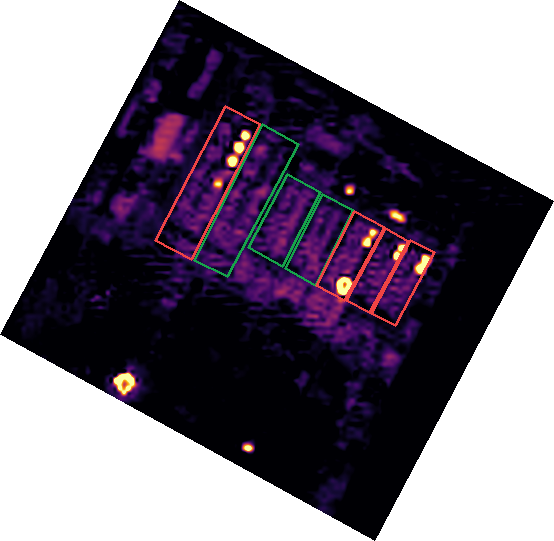 Ras Laffan LNG, Qatar, SWIR thermal, Sentinel-2, 12 July 2026. Four of seven liquefaction trains active.
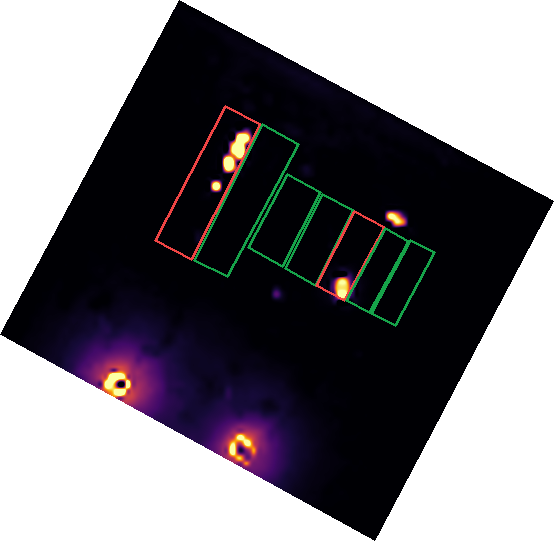 Ras Laffan LNG, Qatar, SWIR thermal, Landsat 9, 15 July 2026. Two trains active, the mid-July pull-back.
Qatar LNG (Qatar)
Qatar LNG, the second Qatari complex, 25.91°N, 51.55°E, 40.8 MTPA across seven trains, followed the same path: four trains at the early-July peak (~26.6 MTPA, ~65%), back to two by 15 July, about 15.6 MTPA (~38%).
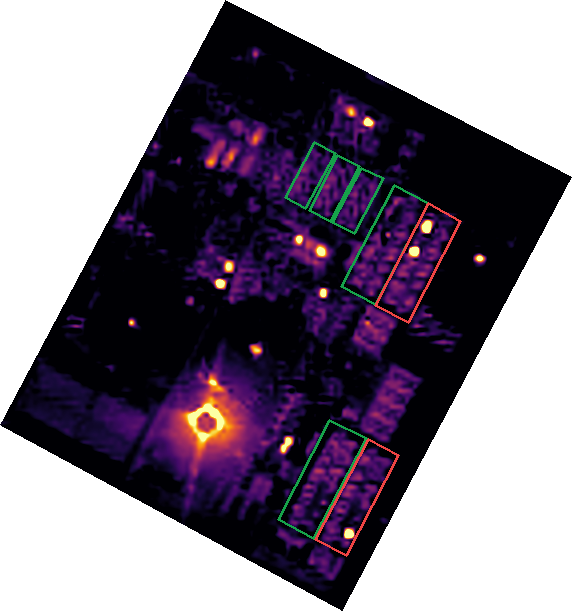 Qatar LNG terminal, Qatar, SWIR thermal, Sentinel-2, 12 July 2026. Trains 5 and 7 active.
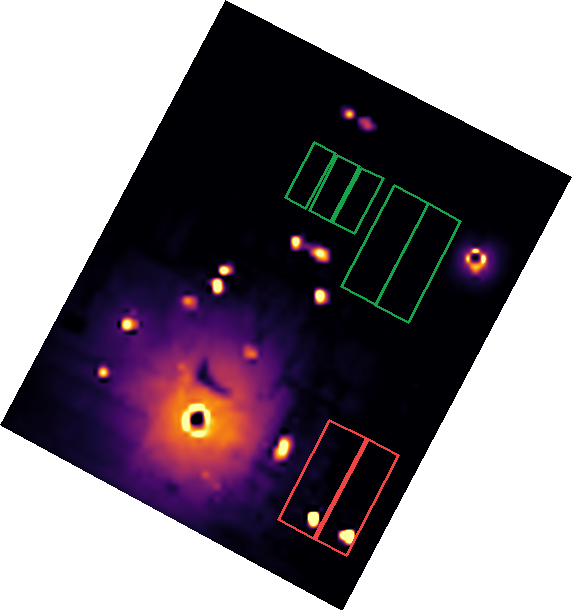 Qatar LNG terminal, Qatar, SWIR thermal, Landsat 9, 15 July 2026. Trains 6 and 7 active.
Das Island LNG Terminal (UAE)
Across the water, the UAE's Das Island LNG terminal, 25.16°N, 52.87°E, 6 MTPA across three trains, moved the other way, ramping to about 3.4 MTPA (~57%) as the Qatari complexes eased.
Announced vs. observed
QatarEnergy guided buyers to roughly 50% of capacity within a month of safe passage and around 80% within two. The satellite record shows the restart overshooting to ~59% in early July, then retracing to ~36% combined Qatari output by mid-July, a reminder that a single peak pass is not a trend. The next confirmation is commercial: Ras Laffan tanker loadings and a step in QatarEnergy's cargo nominations.
Track it train by train on the Ras Laffan and Qatar LNG satellite tracker.
Imagery: modified Copernicus Sentinel-2 data · Landsat imagery courtesy of the U.S. Geological Survey.