Satellite intelligence for energy infrastructure.
Independent, on-demand analysis of industrial assets, anywhere in the world.
From orbit to insight.
01/The value
Pay for the answer, not for access.
01.
Ground truth is rare.
Industrial assets change constantly. Verifiable physical data is expensive, scattered, and almost always late.
02.
Subscriptions don't fit.
Existing platforms force heavy annual commitments, poorly suited to specific, occasional, asset-level questions.
03.
Pixels aren't insight.
Satellite data has become accessible. Interpreting it: with sector context: has not.
02/What we do
What the ground says, not the press release.
Two reads: asset-level, on demand. Each ends on the same question: does observed match announced?
LNG terminals · Ras Laffan
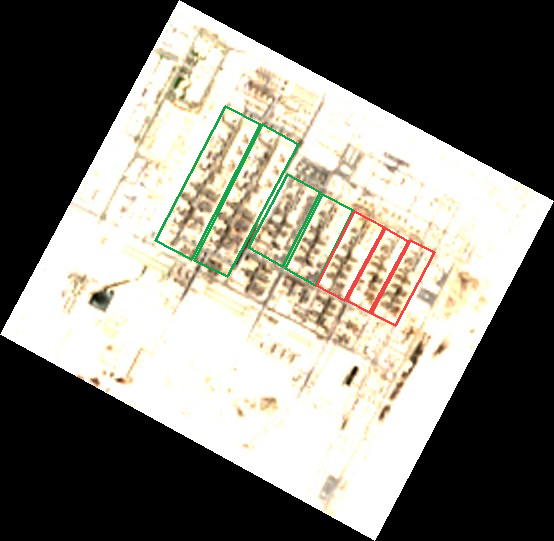
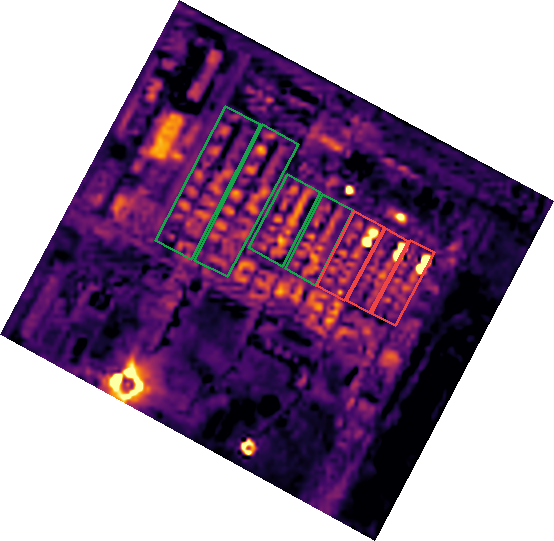
25.9°N 51.5°E · 2026-06-27
Running as claimed?
Operational level at a refinery or LNG terminal, read week over week: the throughput the operator's statement won't give you, before the market has it.
Track it live →Crude inventories · China
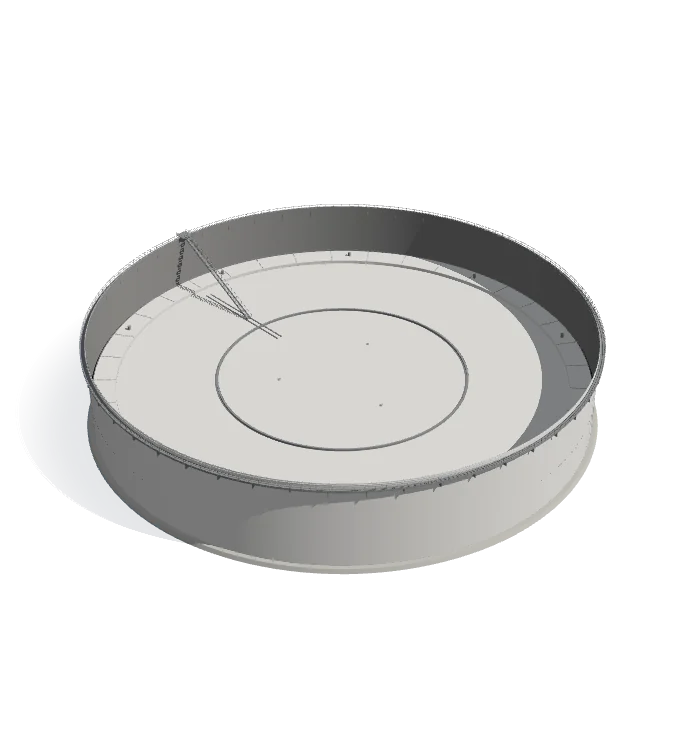
Source: The Orbit Desk · weekly averages to 2026-09-18 · includes SPR estimates
Building or drawing?
China publishes no weekly crude stock figures. We read its tanks from orbit: stocks are running 25 million barrels below last year.
How we read a tank →03/Process
Get your answer within days, not months.
Day 0
01
Scoping
A 30-minute call to qualify the question, the assets, and feasibility.
Days 1–7
02
Analysis
Image acquisition, processing, cross-reference with Sentinel-1/2 imagery, OpenStreetMap, public operational & regulatory data, and news flow.
Days 7–14
03
Delivery
Synthesis report: maps, time series, actionable conclusions.
◆ Typical turnaround · 2 weeks
04/Why The Orbit Desk
Built as a research desk, not a platform.
01
Sector-specific expertise.
Five years of energy-focused satellite analysis. Direct experience across MENA hydrocarbons, global LNG flows, and European refining.
02
End-to-end technical stack.
Full control of the chain: Sentinel-1 SLC and Sentinel-2 L2A ingestion, STAC pipelines, change-detection algorithms, client-grade deliverables.
03
No subscription, no commitment.
Engagements are scoped per project. No platform login. No annual contract. One brief, one deliverable.
04
Independent.
No reseller relationships with satellite data providers. No conflict of interest. The deliverable is analysis, not a license.
05/Contact
Tell us what you need to see.
Briefs are reviewed within 48 hours. If we are not the right desk for the question, we will say so directly.
Email · desk@theorbitdesk.com
LinkedIn · /the-orbit-desk